Sleep
7 melatonin-rich foods that support a good night's sleep
Published: Jan. 20, 2026
Updated: Jan. 21, 2026
2 min read
The content in this article should not be taken as medical advice. Please consult with your healthcare provider regarding your individual health needs.
We all know how it feels to stare at the ceiling, waiting for sleep that just won’t come. If you’ve ever wondered what nudges your body toward dreamland, melatonin is the messenger working behind the scenes. While your body naturally produces melatonin—the hormone that helps regulate your circadian rhythm (or sleep-wake cycle)—certain foods can give your system a gentle nudge in the right direction.
These foods don’t contain nearly as much melatonin as a supplement would, but they can still support your body’s rhythm while delivering extra nutrients that help you rest and recover more deeply.
Here are seven melatonin-rich (and seriously delicious) foods worth adding to your rotation.
1. Nuts
Pistachios contain some of the highest levels of naturally occurring melatonin in the nuts category, followed by almonds and walnuts. They’re also loaded with healthy fats, plant protein, and magnesium, a combo that helps your muscles relax and your body ease into sleep mode.
2. Tart cherries
Tart cherries (and tart cherry juice) have become a go-to for sleep support, and for good reason. They’re one of the most researched natural sources of melatonin and also contain antioxidants like anthocyanins that may reduce inflammation and support muscle recovery.

3. Tomatoes and peppers
Surprisingly, your favorite salad toppers also make the melatonin list. Tomatoes and bell peppers contain small amounts of the hormone along with vitamin C and antioxidants that fight oxidative stress, key for anyone managing glucose and inflammation.
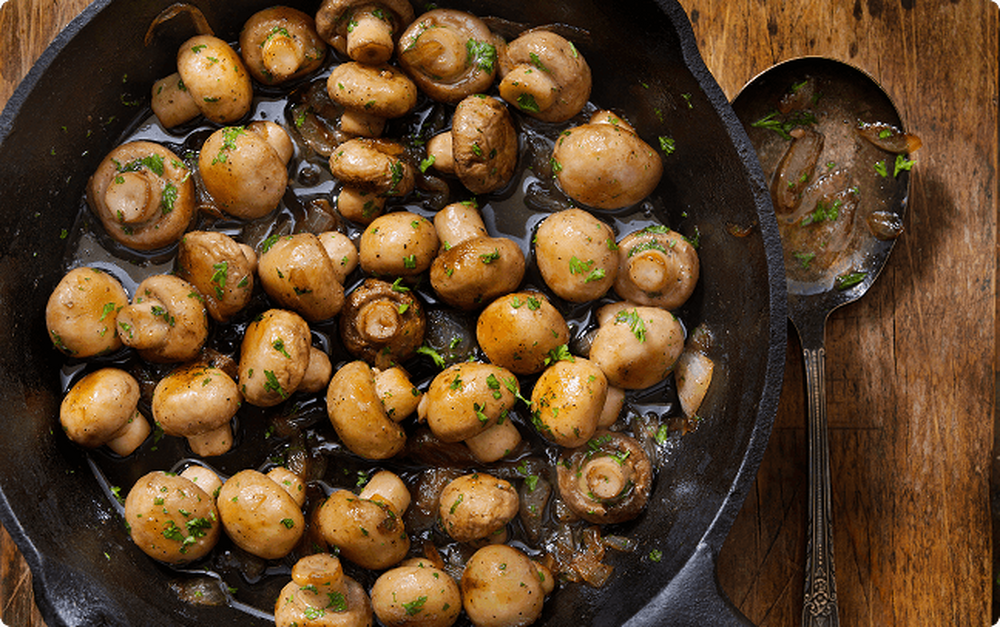
4. Mushrooms
White button mushrooms are another unexpected source of melatonin. They’re also rich in B vitamins, selenium, and fiber, all of which support metabolism and energy balance.
5. Sprouted legumes and seeds
When legumes or seeds germinate, their melatonin levels skyrocket—sometimes up to 400% higher than unsprouted versions. Lentils, soybeans, and sunflower seeds all offer a nutrient-packed, sleep-friendly boost.
6. Oats and whole grains
Whole grains like oats contain moderate levels of melatonin and complex carbs that help your body produce serotonin, another key player in the sleep cycle.

7. Fish and eggs
Among animal-based foods, fish (especially salmon and sardines) and eggs are solid melatonin sources. They also provide omega-3s, vitamin D, and protein, all nutrients tied to healthy sleep patterns and stable glucose levels.
Small shifts for deeper sleep
These foods won’t knock you out instantly, but they can support your body’s natural rhythm over time, especially when paired with good sleep habits like keeping a consistent bedtime, dimming lights before bed, and skipping that late-night scroll.
So next time you’re planning your meals, think of your plate as part of your sleep toolkit. Small choices (like swapping a sugary dessert for a handful of pistachios or a glass of tart cherry juice) can make a real difference over time.

Curated & Reviewed by: Mia Elder Durairaj
MS, CDN, CN
MS, CDN, CN
Mia Durairaj is a Senior Behavioral & Translational Science Manager at Dexcom and Certified Dietitian Nutritionist (CDN).
