The content in this article should not be taken as medical advice. Please consult with your healthcare provider regarding your individual health needs.
In a world where time is tight and health is non-negotiable, micro workouts are emerging as a powerful tool, especially for those looking to optimize glucose management. The idea is simple: short bursts of movement, done consistently, can lead to big metabolic wins. No gym, no gear, no excuses—just two minutes to change your day and build healthy habits.
Learn how these exercise snacks work, their benefits for glucose health, and how to get started.
Why glucose responds so quickly to movement
Glucose is the basic fuel your body runs on. But when it consistently spikes too high (especially after meals) it can lead to fatigue, brain fog, and increased probability of developing insulin resistance and diabetes.
Movement helps because your muscles work like glucose sponges, absorbing glucose directly from the bloodstream, helping to lower levels naturally. That’s why even tiny workout sessions can have a surprisingly big effect.
What are micro workouts?
Micro workouts are brief, high-efficiency exercises that typically last between 1 and 5 minutes. They’re designed to fit into real life: at your desk, in your kitchen, or between meetings. Think squats, wall sits, stair climbs, or a brisk walk around the block. These “exercise snacks” activate large muscle groups, may contribute to improved insulin sensitivity, and help keep glucose levels more stable throughout the day.
The science behind the gains
Research keeps backing up what people feel: frequent movement matters more than long, infrequent workouts.
- A 2022 meta-analysis published in Sports Medicine found that light activity for just 2–5 minutes after meals improved glucose levels in both healthy individuals and those with insulin resistance.
- A Scientific Reports study showed that a 10-minute walk immediately after glucose intake significantly reduced peak blood sugar compared to resting or walking later. Timing matters more than duration.
- A 2017 study published in Diabetology & Metabolic Syndrome showed that post-meal movement led to better glucose profiles and HbA1c improvements than one-time daily exercise.
The bottom line? Micro workouts aren’t just convenient. They’re biologically strategic.
Your 7-day micro workout plan
Micro workouts land best when they feel like natural bursts of movement woven into moments you’re already living. Here’s a simple, no-equipment weeklong plan with built-in swaps, cues, and tips.

Monday: Walk in place
Exercise: 2-minute march in place or around your home
When to do it: 15 minutes after lunch and dinner
Why it works: Moving leg muscles after the post-meal window helps muscles absorb glucose more efficiently.
When to do it: 15 minutes after lunch and dinner
Why it works: Moving leg muscles after the post-meal window helps muscles absorb glucose more efficiently.
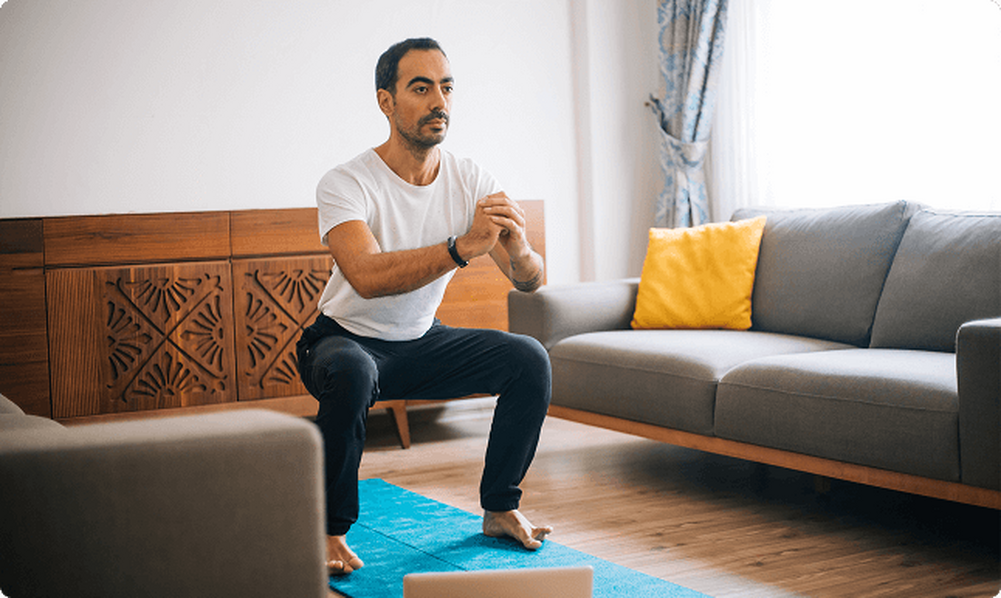
Tuesday: Bodyweight squats
Exercise: 10 bodyweight squats
When to do it: Every 45 minutes during the day
Why it works: Activates large muscle groups throughout the day and boosts GLUT4 transporters for glucose uptake.
When to do it: Every 45 minutes during the day
Why it works: Activates large muscle groups throughout the day and boosts GLUT4 transporters for glucose uptake.
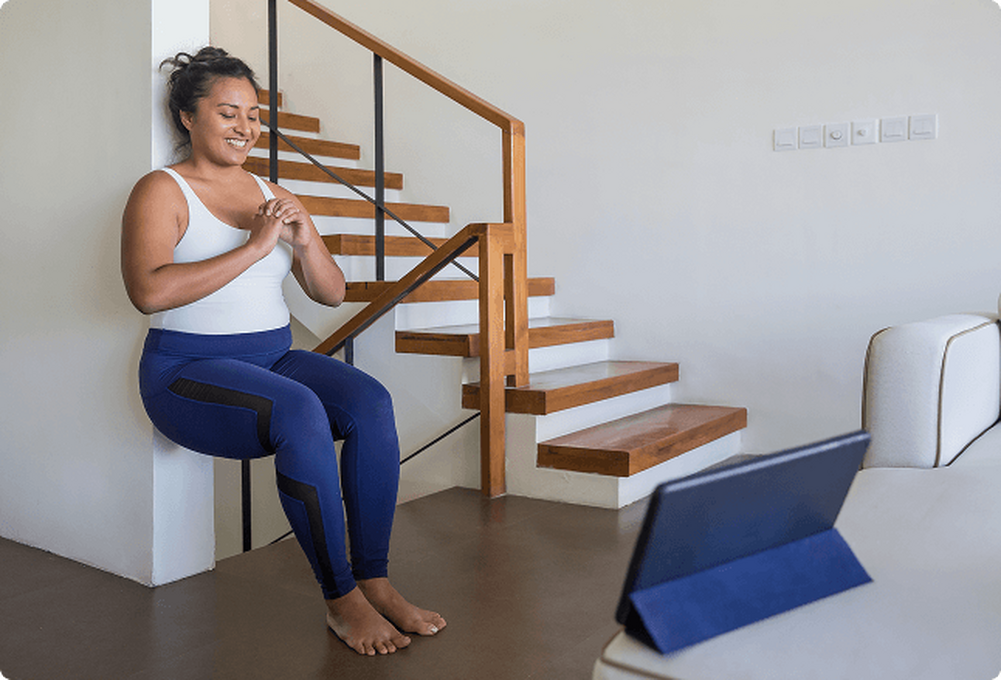
Wednesday: Wall sits
Exercise: Wall sits (30 seconds)
When to do it: 3 sets after every meal
Why it works: Big muscle groups work hard, allowing for insulin-free glucose use.
When to do it: 3 sets after every meal
Why it works: Big muscle groups work hard, allowing for insulin-free glucose use.
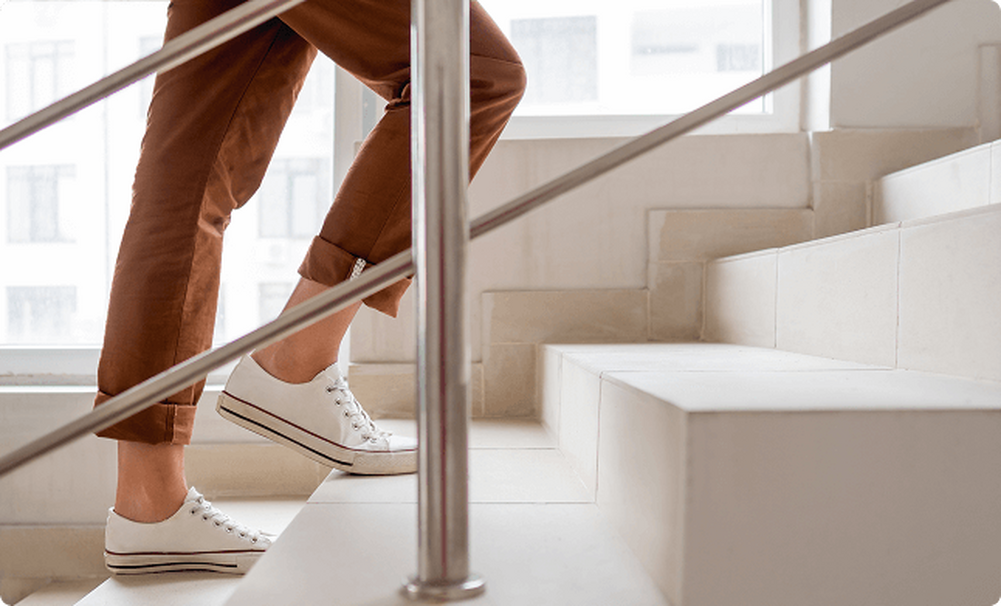
Thursday: Stair intervals
Exercise: 2-minute stair intervals (or brisk walk if no stairs)
When to do it: After breakfast and dinner
Why it works: Boosts heart rate and supports glucose metabolism through continuous movement.
When to do it: After breakfast and dinner
Why it works: Boosts heart rate and supports glucose metabolism through continuous movement.
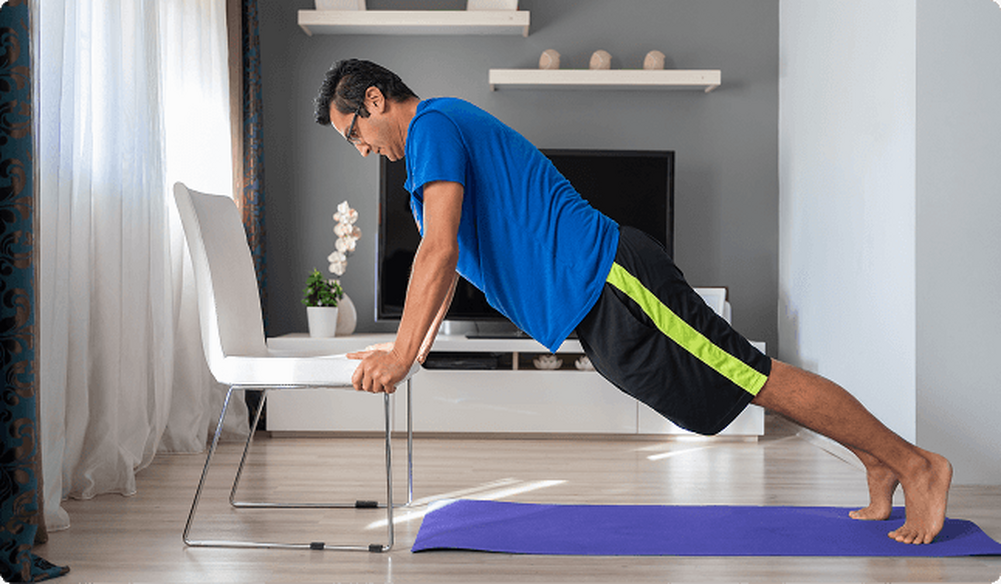
Friday: Counter push-ups
Exercise: Counter push-ups (15 reps)
When to do it: 2 sets mid-morning and mid-afternoon
Why it works: Upper body activation helps improve insulin sensitivity and sneaks muscle work into the day.
When to do it: 2 sets mid-morning and mid-afternoon
Why it works: Upper body activation helps improve insulin sensitivity and sneaks muscle work into the day.
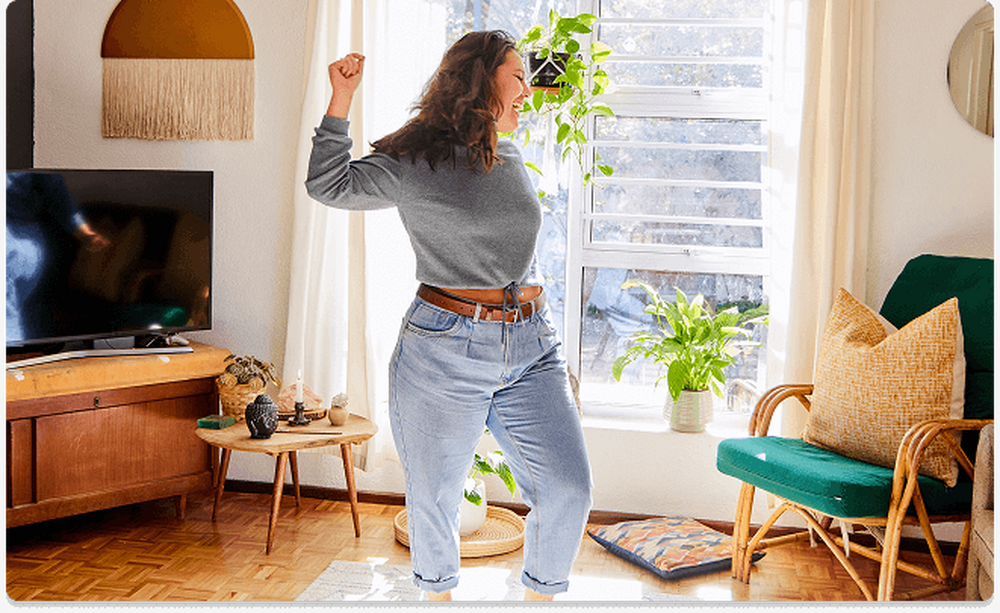
Saturday: Dance Break
Exercise: Dance break (2 minutes)
When to do it: After lunch
Why it works: Fun movement elevates heart rate and supports healthy metabolism.
When to do it: After lunch
Why it works: Fun movement elevates heart rate and supports healthy metabolism.

Sunday: Quick Walk
Exercise: Quick walk (2 minutes)
When to do it: After any meal
Why it works: Simple, accessible, and effective for lowering post-meal glucose and fitting movement into your routine.
When to do it: After any meal
Why it works: Simple, accessible, and effective for lowering post-meal glucose and fitting movement into your routine.
Want to level up? Try this micro circuit:
- Push-up to downward dog (10 reps)
- Dumbbell hack squat (15 reps)
- Dumbbell deadlift to row (12 reps)
Don’t have dumbbells handy? Use a pair of soup cans instead.

Pro tip: Use a glucose biosensor like Stelo to track your progress and see the impact of your micro workouts over time.
Macro impact, minimal time
Micro workouts aren’t about squeezing fitness into your life. They’re about weaving movement into your day in a way that feels possible, sustainable, and surprisingly energizing. For anyone focused on glucose, metabolic health, or simply feeling better in their own skin, these tiny bursts can make a meaningful difference.
Two minutes isn’t much. But it’s enough to help your body out, one small choice at a time.

Curated & reviewed by: Jami Klein,
RN, BSN, CDCES
RN, BSN, CDCES
Jami Klein is a registered nurse and certified diabetes care and education specialist with extensive experience in both clinical settings and diabetes industry.
