What are glucose spikes and what causes them?
Published: Dec. 20, 2024
Updated: Jul. 22, 2026
3 min read

The content in this article should not be taken as medical advice. Please consult with your healthcare provider regarding your individual health needs.
Have you ever felt a sudden burst of energy after eating, only to have it followed by a quick crash? If so, there’s a good chance you’ve experienced a glucose spike.
A glucose spike is when your blood sugar levels rise sharply and then fall just as quickly. Spikes usually occur within 1-2 hours after you start eating and can last from a few minutes to several hours. The duration and intensity can differ from person to person, and even from meal to meal.

What are symptoms of high glucose levels that can occur with glucose spikes?
Common symptoms:
- Feeling extra thirsty
- Needing to pee more often
- Tiredness or low energy
- Increased hunger or cravings
- Headaches
- Brain fog or trouble focusing
- Moodiness or irritability
Less common symptoms:
- Blurry vision
- Dizziness
- Dry mouth
If you notice these symptoms regularly, your body might be telling you it’s time to look at your glucose patterns. Remember, everyone’s different—so tuning in to how you feel is a powerful first step.
What causes glucose spikes?
One of the main causes of glucose spikes is consuming too many simple carbohydrates and high glycemic index foods, including sweets, sugary drinks, some fruits, and refined grains such as white bread, white rice, and pasta. When you eat these foods, your glucose levels can rise rapidly, leading to a spike.
Glucose spikes aren’t just about what you eat—stress, sleep patterns, physical activity, and other life factors can play a big role, too. It’s important to remember that not every spike is a cause for concern. Let’s look a little closer at what’s really behind those numbers.

Why glucose spikes matter?
Glucose naturally rises and falls throughout the day, but when those rises are steep, frequent, and take an extended amount of time to return to baseline, it can affect how your body feels and functions. Big spikes are linked to shifts in energy, appetite, and how efficiently your body uses and stores fuel. Over time, repeated swings can impact metabolic health, including how your body responds to insulin.
Glucose spikes can even affect your hunger levels, often making you feel hungrier sooner after eating due to rapid drops in glucose following a spike. This can lead to a cycle of increased appetite and extra snacking, making it harder to maintain balanced eating habits.
Spikes can also influence inflammation and oxidative stress, two things connected to long-term cardiovascular and metabolic well-being. Smoother patterns often mean steadier energy, clearer focus, and a better sense of balance throughout your day.
Not all glucose spikes mean the same thing
Some spikes are just your body doing what it’s designed to do, while others might be worth paying a bit more attention to. Here's a breakdown of different types of glucose spikes, so you can spot what's normal and what might need your attention.
- Exercise-induced spikes (like during HIIT workouts) are temporary and often beneficial because they may improve insulin sensitivity.
- Food-related spikes, especially from refined carbs or sugary drinks, can lead to prolonged high glucose and fat storage as well as post-spike glucose dips that may contribute to extra snacking.
- Spikes from sauna use—heat exposure can stimulate your body and temporarily raise glucose, but these shifts are usually short-lived and not harmful for most people.
- Spikes from excitement or celebrations—strong emotions, excitement, or special occasions can trigger a stress response, leading to a brief rise in glucose levels that typically resolves quickly.

Where Stelo comes in
If you’re using a glucose biosensor like Stelo, you'll get insights when a spike happens in the moment, allowing you to reflect what might be driving the spike. Was it that late-night snack, an intense workout, or maybe even how much you slept? Understanding the clues behind the spike helps you connect the dots between your daily choices and your glucose patterns, making your data more meaningful and actionable.
Sometimes, you may even notice a spike even though your glucose levels are within your target range. Stelo is built to show you when your levels move quickly, not just when they’re high, giving you even more insight into how your levels fluctuate throughout the day.
Tips on how to manage glucose spikes
Small shifts add up. Follow these tips to help prevent or avoid sharp glucose rises, build steadier energy, and support your journey toward building healthy habits.
1. Start with patterns, not perfection
Your glucose levels aren’t grades. They’re signals. If the same meals keep sending your glucose upward quickly, play with portion size, timing, or what you pair them with. This is the best place to begin.
2. Add more fiber throughout the day
Fiber slows digestion and takes the edge off spikes, and most adults thrive with 25-35 grams a day. Starting meals with vegetables or a small salad is an easy win.
High-fiber picks include broccoli, Brussels sprouts, leafy greens, lentils, chickpeas, black beans, oats, quinoa, barley, apples, pears, berries, chia, and flax.
Easy high-fiber meals:
- Lentil and veggie soup with whole-grain bread
- Apple crisp yogurt parfait
3. Build balanced meals
A steady mix of complex carbs, protein, healthy fats, and colorful produce helps ground your energy and smooth out sharp glucose rises. Think veggies/whole grains/beans for carbs; lean meats/tofu/fish/legumes for protein; nuts/seeds/avocado/olive oil for fats.
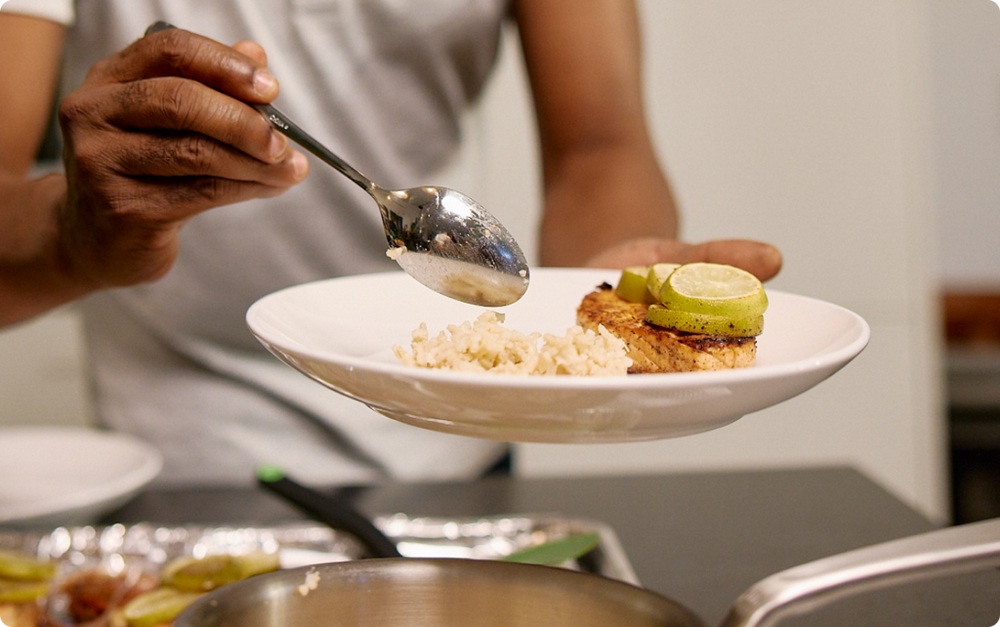
Sample plate: grilled salmon, quinoa, roasted Brussels sprouts, simple spinach salad.
4. Move after you eat
Even 10–15 minutes of walking after meals helps your body use glucose more efficiently. It’s one of the simplest ways to soften spikes.
5. Choose foods closer to their natural form
Keep sugary drinks occasional, reach for whole fruits over juice, and let minimally processed foods take the lead most days. These small shifts help stabilize glucose throughout the day.
6. Focus on the story behind your spikes
If your spike happened after movement or another health-positive habit, that’s often your body doing exactly what it’s designed to do. Intense exercise or a protein-rich meal, for example, might send glucose up for a short time—usually followed by a smooth return to your usual levels. These kinds of rises can actually help boost your body’s sensitivity to insulin and support your long-term metabolic health.
Trending in the right direction
Managing glucose spikes isn’t about chasing perfect numbers. It’s about choosing small shifts that make your days feel steadier. When you lean on fiber, balance your meals, move after you eat, and learn to contextualize your spikes, you can start to build a rhythm your metabolism can count on. Keep experimenting, stay curious, and trust that every small choice you make nudges your health in the direction you want to go.

Curated & reviewed by: Jami Klein,
RN, BSN, CDCES
RN, BSN, CDCES
Jami Klein is a registered nurse and certified diabetes care and education specialist with extensive experience in both clinical settings and diabetes industry.
