Sleep
Sleepless night? Foods that help with recovery after poor sleep
Written by Kate Daugherty, MS, CNS
Published: Mar. 12, 2026
3 min read
The content in this article should not be taken as medical advice. Please consult with your healthcare provider regarding your individual health needs.
Poor sleep puts your body into a mild stress state the next day. Cortisol tends to run higher, insulin sensitivity drops, and waking glucose levels often start out elevated. The result is a system that’s more reactive than usual. Glucose rises faster, falls harder, and feels less forgiving overall.
That’s why meals that normally work for you can suddenly cause bigger glucose spikes and steeper crashes after a bad night of sleep.
Let’s explore how to fuel your body after a rough night’s sleep, so you can recover and bounce back with energy. Think of this concept as a lower-variability day. The goal in these cases is to stabilize glucose, reduce exaggerated swings, and support a stressed system until your body has a chance to recover overnight.
What changes after poor sleep
Even one short or disrupted night of sleep can shift glucose regulation. Muscles become less responsive to insulin, the liver releases more glucose, and the nervous system stays slightly “on edge.” In practical terms, this means your usual breakfast might spike you higher than expected, and long gaps between meals can backfire.
To compensate, you don’t need to overhaul your diet. You just need to adjust your strategy for the day.
The core meal strategy for a bad-sleep day
To achieve a lower-variability day, predictability wins. Here are a few things to try:
1. Start with protein at every meal
Protein slows digestion, supports satiety, and blunts glucose spikes. It also gives your body a steady signal that food is coming in, which helps calm an already stressed system.
2. Be more intentional with carbohydrates
Carbs aren’t off the table, but this isn’t the day for large, carb-forward meals eaten on their own. Pair carbohydrates with protein, fiber, and fat to slow absorption and reduce sharp rises.
3. Incorporate fats strategically
A little healthy fat goes a long way toward smoothing glucose curves. Think olive oil, avocado, nuts, seeds, or fatty fish added to meals.

Foods that give you energy and help you stay awake
Since glucose responses can be more variable, the best approach to meals is choosing options that feel familiar, steady, and supportive rather than experimental.
Breakfast
This is often the most reactive meal after poor sleep. Carbohydrate-heavy or sugar-forward breakfasts are more likely to spike glucose when insulin sensitivity is down. That includes pastries, sweet cereals, juice, or smoothies built mostly from fruit.
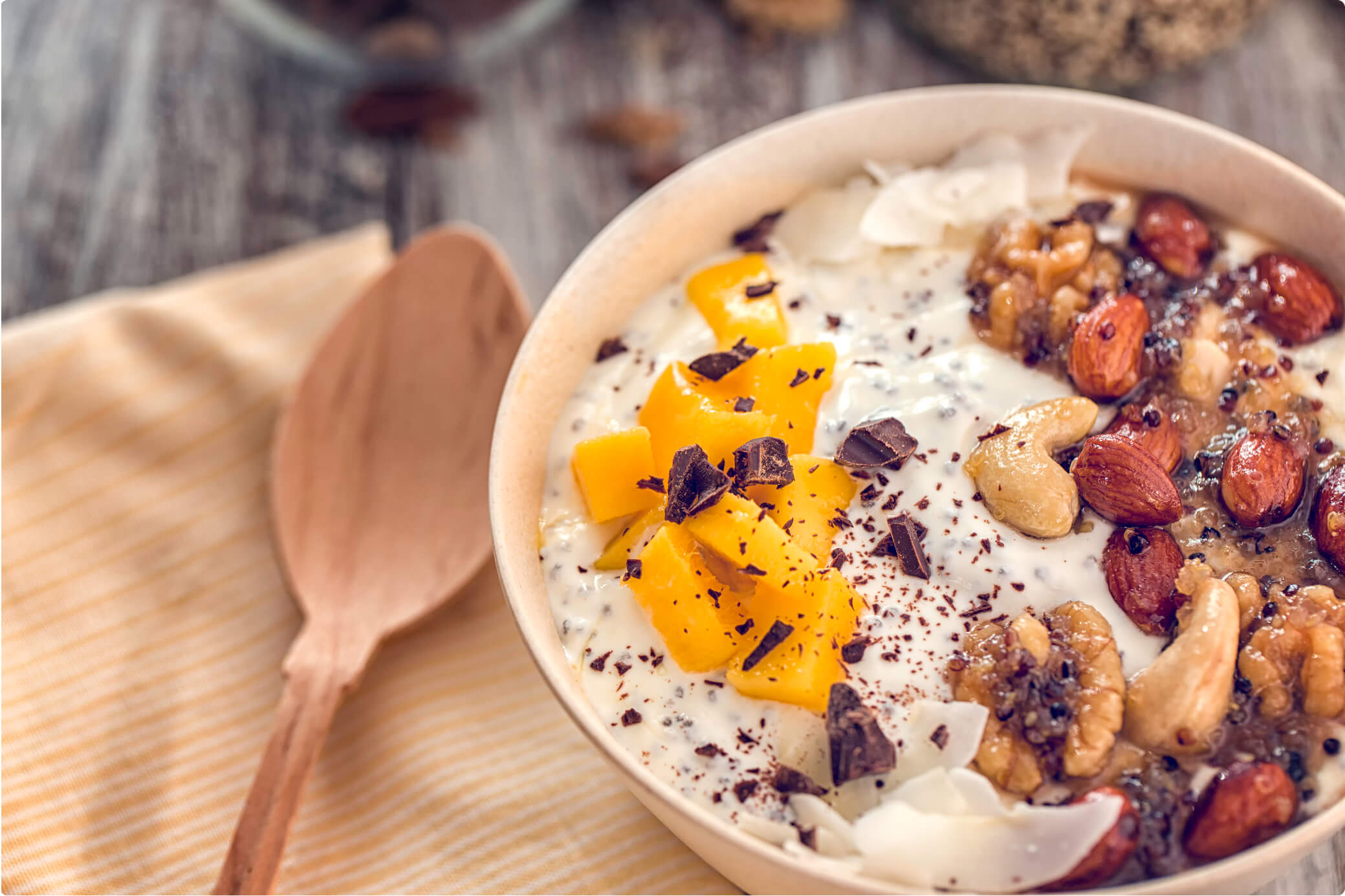
Lower-carb, savory breakfasts tend to work better than sweet ones. Examples include eggs with sauteed vegetables, Greek yogurt or kefir with nuts and seeds, or a protein smoothie with berries and added fat. If you include carbs, keep them modest and paired with protein, fat, and fiber.
Lunch
Aim for balanced and familiar meals. A protein-anchored salad with olive oil, a grain bowl with extra protein and vegetables, or leftovers from dinner all work well. This is not the day to experiment with brand-new foods.
Dinner
Eating dinner earlier and keeping it lighter is a good strategy after a poor night of sleep. Still include protein, vegetables, and some fat, but avoid very large portions or late-night meals that can interfere with the next night’s sleep.
Eating patterns to avoid
When you’re sleep-deprived, it’s important to dodge habits that can make a tough, tired day feel harder. Here’s what to avoid when you’re running on empty for a stronger bounce-back:
- Large, late meals the night before can keep glucose elevated overnight and make it harder to recover during sleep the following night.
- Skipping meals or fasting for too long can amplify glucose swings after poor sleep. Even if fasting usually works for you, this may not be the day to push it. Instead, aim to consume calories from protein sooner after waking.
- Caffeine: Resist the urge to “chase energy” with caffeine alone. Coffee without food can worsen glucose variability on sleep-deprived days.
Practical expectations
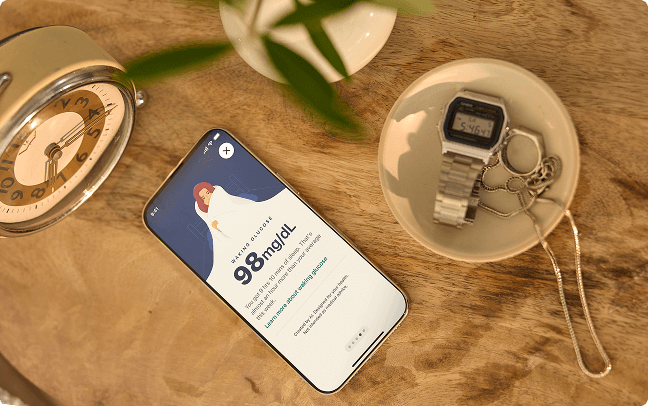
Poor sleep temporarily changes the rules, and adjusting your meals is one way to work with your physiology instead of against it. If you use a glucose biosensor like Stelo, you may notice higher waking glucose levels or bigger responses than usual. That’s information, not failure.
After poor sleep, your body is more reactive and less forgiving. Eating differently for a day helps stabilize blood sugar, support a stressed system, and protect metabolic resilience until you’re rested again. One steady, lower-variability day can prevent a bad night from turning into a bad week.
The production of this article was sponsored by Stelo by Dexcom.
References:
Author profile
KD
Kate Daugherty, MS, CNS
Kate Daugherty, MS, CNS, is a Certified Nutrition Specialist and functional medicine nutritionist with a Master’s in Human Nutrition and Functional Medicine.