5 benefits of strength training for longevity

Written by Gary Scheiner MS, CDCES
Published: Nov. 11, 2025
3 min read
The content in this article should not be taken as medical advice. Please consult with your healthcare provider regarding your individual health needs.
When most people think about strategies for living longer, they envision eating well, getting enough sleep, and incorporating daily walks into their routine. While all of these matter, there’s one often-overlooked practice that can add both years to your life and life to your years: strength training.

Why strength training matters for longevity
Strength training isn’t just reserved for elite athletes; it’s a powerful tool for all of us. Here’s why it matters:
1. It helps you stay strong
Starting around age 30, we naturally begin to lose muscle. Without action, that loss speeds up with age, making everyday tasks like climbing stairs or carrying groceries harder. Strength training helps slow this process, helping you stay active and strong for every stage of life.
2. It can improve insulin sensitivity and metabolic health
Strength training helps your muscles use insulin more effectively. This is called insulin sensitivity, and it’s a big deal for long-term health. When your body is insulin-sensitive, it can manage blood sugar levels more easily, lowering your risk for type 2 diabetes, heart disease, and other chronic conditions. Even if you’re not living with diabetes, improving your insulin sensitivity can help with weight management, healthy aging, and energy levels.
This is where wearing a glucose biosensor, like Stelo, can be eye-opening. It’s common to see a temporary increase in glucose during or after a workout before it gradually returns to baseline (a normal response). By tracking your own glucose curve, you’ll gain real insight into how your body reacts, see the lasting benefits of your training, and get an extra boost of motivation along the way.
3. It helps build strong bones
Strength and resistance training protects against bone loss, reducing the risk of osteoporosis and fractures as you get older.
4. It supports heart and brain health
Regular strength training can lower blood pressure, improve cholesterol, and support blood vessel health. It’s also linked to better memory and focus as we age.
5. It can add years to your life
Studies show that people with more muscle strength tend to live longer. Basic grip strength is strongly connected with overall health and longevity. Lower-body strength is important for preventing falls which can lead to serious complications as we age.

How to get started with strength training
You don’t need a gym membership or heavy weights to build strength. The key is to move your muscles against some kind of resistance, which can take the form of own body weight, resistance bands, or handheld objects like bottles and cans. Be sure to talk to your healthcare provider before starting a new exercise routine.
Here are some simple exercise guidelines for longevity:
Frequency
2–3 times per week is a great goal. Start small—even 10 minutes counts. Try pairing with other habits: do a few squats while dinner is cooking or push-ups before bed. Eventually, look to build up to 30-60 minute sessions.
Types of exercises
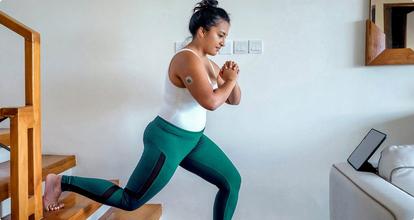
Try squats, push-ups (against a wall or on your knees if needed), lunges, rows, and overhead presses.
Reps and sets
Start with 1–2 sets of 8–12 repetitions. Start with a weight that is fairly easy to handle (just a few pounds is fine) and add resistance or extra sets as you get stronger. Track your progress by logging your workouts—you’ll be surprised how quickly strength builds.
Form
Focus on slow, controlled movement and steady breathing. Try not to hold your breath during exertion.
Variety
Try a class, follow a video, or team up with a friend.
Whether you're just starting out or want to brush up on form, partnering with a personal trainer or tapping into local gym resources can help you create a personalized plan that sets you up for lasting success.

Tracking progress over time
You’ll notice progress in obvious ways, like being able to carry heavier grocery bags or do more push-ups. But you can also track the metabolic benefits of strength training.
By wearing a glucose biosensor like Stelo, you can see how your body responds before, during, and after workouts and how your baseline glucose may improve with consistent training. Stelo gives you 24/7 feedback on how exercise affects your glucose, turning everyday actions into data you can use to fine-tune your routine and stay motivated.
The bottom line
Strength training isn’t about building big muscles, it’s about building a foundation for a healthier, longer life. By keeping your muscles strong, improving insulin sensitivity, and protecting your bones and heart, you’re investing in a future where you can stay active and enjoy life on your terms.
The production of this article was sponsored by Stelo by Dexcom. Kathryn Gentile-Alvarez, M.S., ACSM-CEP, CPT, CDCES contributed to the production of this article.
Author profile
GC
Gary Scheiner MS, CDCES
Gary Scheiner is the owner and Clinical Director of Integrated Diabetes Services, a practice specializing in intensive insulin therapy and advanced education.