Making waves: Why glucose variability matters—a practitioner’s perspective

Written by Rachael Sood, NP-C
Published: Apr. 7, 2026
Updated: Aug. 28, 2026
3 min read

The content in this article should not be taken as medical advice. Please consult with your healthcare provider regarding your individual health needs.
I love to reminisce about my summers at our family beach house. As a young girl, this meant daily walks along the seashore. Waves rolling in, foamy and familiar. At first glance, the Gulf Coast looks the same—water, salt, sand, shells, repeat. But after walking this route year after year, you start to notice something.
Some waves barely kiss your ankles. Others rush up your legs and make you skip mid-step. The water hasn’t changed, but the impact has.
And that’s exactly how glucose variability works in your body. The waves move much like your glucose: in and out of the blood cells, so your body gets the energy it needs to function. Sometimes the really big waves can be too difficult for the coastline to handle.

What glucose variability really means
Glucose variability (also known as glycemic variability) refers to how much your glucose levels rise and fall throughout the day. Not just where glucose ends up, but how dynamic the journey is along the way. Some movement is normal and expected. As we eat, move, sleep, and live our lives, glucose flows through the body much like ocean waves hit the beach. But when glucose fluctuations become larger or more frequent, it can signal that the body is under more stress than it needs to be—and over time, that strain can take a toll.
Think about walking on the beach. A gentle splash is refreshing. But if every step knocks you off balance, it gets exhausting. Those bigger, more forceful waves mirror glucose patterns that are harder for the body to adapt to consistently.
Why standard blood tests might miss what’s really happening
One challenge of routine lab testing is that many of us don’t go to the doctor regularly. We usually wait until something feels off before seeking answers. That reactive approach isn’t a flaw; it’s human.
Additionally, though HbA1c is a lab test which remains important and incredibly valuable, it may only tell one side of the story. What HbA1c doesn’t show is the variability of your glucose “waves.” For example, two people can have the exact same HbA1C while experiencing very different day-to-day patterns. Standard lab testing reflects the mean glucose but not its magnitude, which is often the missing piece.
Glucose variability matters due to its impact on overall blood flow, especially to vital organs like the eyes and kidneys. Larger variability can contribute to slow but harmful changes to the vascular system over time.
Why glucose biosensors make glucose variability easier to see
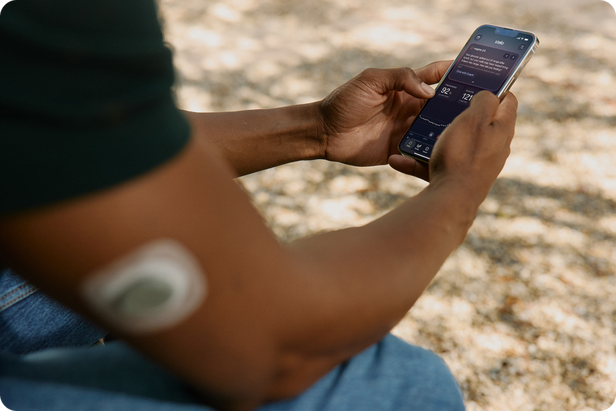
Traditional lab tests are like taking a single snapshot of the beach and trying to guess what the tide does all day. Glucose biosensors are more like watching the shoreline changes over time. They reveal patterns, not just moments.
With continuous data, you can see how glucose responds to food choices, movement, sleep, and even timing throughout the day. Maybe mornings feel calm, but afternoons get choppy. Maybe most meals are steady, but one consistently creates a big splash.
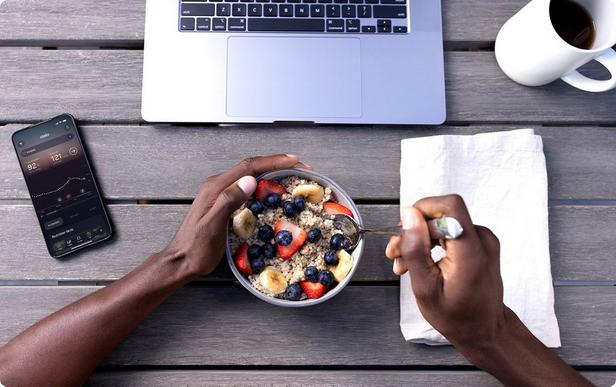
This is where a wearable glucose biosensor like Stelo comes in, helping uncover clues related to your glucose patterns that might otherwise stay hidden.
Biosensors quantify glucose “waves” by calculating something called the coefficient of variation (CV). CV is determined by dividing the standard deviation of glucose by the average glucose level. In simple terms, the higher the CV, the more variable glucose tends to be. This kind of focused measurement can reveal patterns earlier than what’s typically captured through standard blood work.
Making change feel smaller (and more doable)
Here’s the encouraging part: no one needs perfect glucose or perfectly flat lines. Trying to overhaul every habit at once is overwhelming and unrealistic.
By highlighting specific moments of instability, glucose variability helps narrow the focus. Behavior changes are hard, especially when the goal feels vague. But identifying one pattern (like late-night snacking or more glucose spikes on certain days) can make lifestyle adjustments feel more manageable.
You don’t need calm water all day long. You just want fewer surprise waves knocking you off your feet.
Reading the waves over time
Glucose health isn’t just about averages; it’s about patterns. Instead of guessing, you can see where the waves hit hardest. That’s the value of understanding glucose variation.
Glucose biosensors help bring those patterns to the surface, often before symptoms appear or lab tests are ordered. By understanding glucose variability, people gain the opportunity to notice trends earlier, focus on what matters most, and make changes that fit real life. Once you understand the waves, you move with more confidence—and the journey feels a whole lot easier.
The production of this article was sponsored by Stelo by Dexcom.
References:
Author profile
RN
Rachael Sood, NP-C
Rachael is the Owner and Chief Executive Officer of The Diabetes Collective (TDC).