Glucose basics

How to restore your gut microbiome and immune health: A Stelo guide
Written by Shetal Desai Rautela, RDN, CDCES
Published: Apr. 30, 2026
4 min read
The content in this article should not be taken as medical advice. Please consult with your healthcare provider regarding your individual health needs.
Sickness or illnesses, such as the flu, fever, an infection, or a stomach bug, are notorious for disrupting our gut health. Inflammation (stress) at the cellular level increases, and that rise in inflammation can create an imbalance between beneficial and harmful bacteria in the gut, a state known as gut dysbiosis.
Research suggests about 70% of your immune system’s activity is centered in the gut. When your gut health is out of balance, bouncing back from illness can take longer. On top of that, being sick—and sometimes needing medications like antibiotics—can further disrupt the gut microbiome, making it even more challenging for your system to recover.
This article covers the connection between the gut, immune system, and glucose health, as well as practical ways to restore your gut microbiome while improving your immune health.
The gut-immune-glucose connection
Let’s add another layer: how this major disruption in our system can also affect the body’s management of glucose levels.
Inflammation caused by infection can raise glucose levels and make it harder for the body to use insulin efficiently. At the same time, gut signaling may be affected. Normally, GLP-1 (produced by specialized L-cells in the gut) helps slow digestion and moderate how quickly glucose is absorbed into the bloodstream. When this signaling is disrupted, food may leave the stomach more quickly and glucose can enter the bloodstream faster.
As the body gradually recovers, it can take time for the gut microbiome to return to a balanced state that supports both immune health and steady glucose patterns. Reintroducing dietary fiber (prebiotics) and foods that contain beneficial bacteria (probiotics) can help support that rebuilding process.
Benefits of glucose tracking during recovery
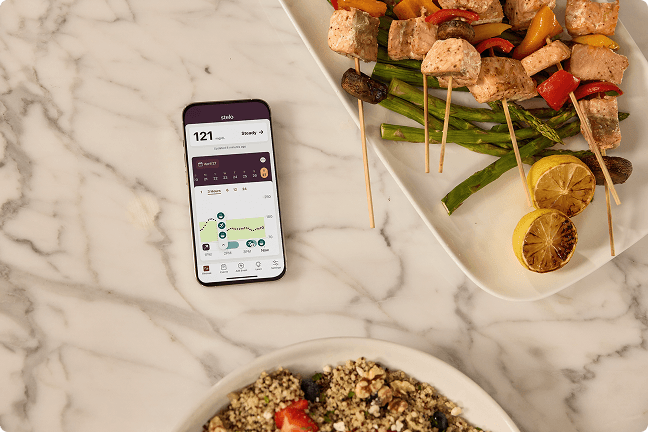
Using a glucose biosensor like Stelo can help connect the dots between illness, gut health, and glucose patterns during recovery.
When the body is navigating illness, glucose responses may look different than usual. Tracking glucose can help you notice how your body responds to meals, hydration, movement, and rest during this time, and how those responses begin to shift as the gut and immune system recover.
As probiotic and fiber-rich foods are gradually reintroduced, the gut begins producing short-chain fatty acids (SCFAs). These compounds support gut health and can stimulate natural GLP-1 signaling, which in turn may help improve insulin sensitivity and support more stable glucose patterns.
Supporting the gut microbiome during recovery
The gut microbiome tends to thrive when it's nourished with dietary fiber, fermented foods, minimally processed ingredients, and a variety of polyphenols (which are found in plant-based foods such as berries, colorful vegetables, and leafy greens). Including a mix of these foods can help support the diversity and resilience of beneficial gut bacteria. Hydration also plays an important role as fiber works best when the body has adequate water.
While you heal from illness, it can help to gradually increase these foods over the course of about a week. This approach also supports digestion and can help prevent constipation or sluggish bowel movements that sometimes follow illness.
Here are some ways to restore your gut microbiome and immune health:
1. Reintroduce prebiotic foods (dietary fiber)
Foods rich in dietary fiber help nourish beneficial gut bacteria.
Examples include:
- Legumes and pulses such as lentils, black beans, and pinto beans
- A warm bowl of chili or chickpea curry
- Oats, such as steel-cut oats topped with walnuts and flax seeds
- Chia seeds, which can be used to make an afternoon chia pudding with berries and almond milk
- Garlic and onions, which can be used generously in cooking or roasted and spread on whole-wheat toast
- Cruciferous vegetables, including cauliflower rice, broccoli soup, roasted Brussels sprouts, or lightly steamed vegetables
- Fiber-rich snacks such as apples, bananas, or roasted sweet potatoes
2. Add probiotic foods (beneficial bacteria)
Probiotic foods introduce helpful bacteria such as Lactobacillus and Bifidobacterium.
Examples include:
- Yogurt (for plant-based versions, check labels to confirm live cultures are included)
- Kimchi and sauerkraut
- Unsweetened buttermilk or kefir
- Fermented lentil batters used for crepes or pancakes
- Miso
- Tempeh
3. Limit foods that may disrupt the gut microbiome
Some foods may contribute to inflammation or negatively influence gut bacteria. During recovery, it may help to limit:
- Ultra-processed foods
- Refined sugar
- Excess alcohol
- Artificial sweeteners such as Splenda, Equal, or Sweet’N Low. (Stevia and monk fruit may have less of a negative impact on gut bacteria.)
4. Add anti-inflammatory foods
Anti-inflammatory foods can help support both gut health and metabolic balance.
Examples include berries, omega-3-rich foods such as walnuts and fatty fish, olives, turmeric, ginger, and cacao.

Simple snack and meal ideas to support gut bacteria
- Yogurt with fruit and a sprinkle of cacao
- A homemade berry kefir shake sweetened with monk fruit
- A whole-wheat wrap with grilled chicken or salmon, tomatoes, and sauerkraut
As you experiment with these meals, follow your post-meal glucose trends and see whether these high-protein, high-fiber, gut-friendly foods help mellow post-meal glucose spikes.

Lifestyle habits that support gut recovery
Nutrition is only one part of restoring gut health. Several daily habits can also support the process.
1. Hydration
Water is your best friend when it comes to supporting both digestion and glucose balance. When you increase fiber intake, remember to increase water intake as well.
2. Movement
Wait about five minutes after a meal and then move for 10–15 minutes. The trend of going for a “fart walk” after meals stems from studies showing that post-meal walks can aid digestion. Even easy walks after meals may positively influence post-meal glucose levels.
3. Sleep health
Rest is essential when recovering from illness. Poor sleep quality or quantity can disrupt both gut health and glucose regulation.
4. Stress management
The gut and brain are in constant communication. High levels of stress can disrupt this pathway, making recovery harder. Try sprinkling short moments of relaxation throughout the day; even 4–5 minutes of breathing or relaxation exercises can help support recovery.
A final thought
Just as no two fingerprints are alike, our internal gut microbiomes are unique as well. Supporting gut health during recovery is less about a single food or habit and more about rebuilding balance over time.
Nourishing the body with fiber-rich foods, fermented foods, hydration, and supportive daily habits can help the gut microbiome regain its diversity.
Tracking your glucose with Stelo can add another layer of awareness, helping you notice how meals, movement, rest, and recovery come together to support the body as it heals.
The production of this article was sponsored by Stelo by Dexcom.
References:
Author profile
SC
Shetal Desai Rautela, RDN, CDCES
Shetal Desai Rautela, RDN, CDCES, is a registered dietitian, diabetes care, and education specialist with 15+ years of expertise in diabetes, metabolic health, and child nutrition.