Nutrition
What foods to eat when sick to help with recovery
Written by Shetal Desai Rautela, RDN, CDCES
Published: Apr. 16, 2026
4 min read
The content in this article should not be taken as medical advice. Please consult with your healthcare provider regarding your individual health needs.
When you’re under the weather, whether it’s a mild cold or bouncing back from the flu, your body naturally shifts into recovery mode to focus on healing. Stress hormones like cortisol and adrenaline rise, making it harder for the hormone insulin to do its job, and that response can also raise glucose levels, so the body has enough energy to help fight the illness. This is especially noticeable for people living with diabetes or prediabetes, but it can affect anyone.
That’s why nourishment during illness isn’t just about getting nutrients in. It’s about steady energy, immune support, and foods that are easy to digest.
Read below to find out what foods are good to eat when you’re sick with a cold or flu, healthy options to pick for easy digestion and increased energy, and even including Ayurvedic nutrition for faster recovery.

Fueling up when sick
If chugging down a few bottles of orange juice seems inviting to get that dose of vitamin C for its immunity-building power, take a pause. When managing glucose levels, a cup of orange juice is plenty to cause a rapid spike.
So one may wonder, “What do I fuel myself with when I’m sick?” and “How can I boost my immunity to recover quickly?”
Nutrients that support healing
Certain nutrients may play an important role in immune function and recovery, especially when paired thoughtfully.
Here are a few ideas for what to reach for when you’re feeling under the weather with a cold or the flu:
1. Vitamin A-rich plant foods
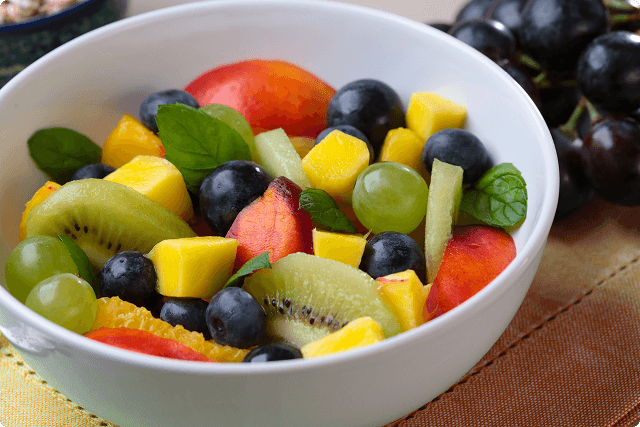
Sweet potatoes, spinach, dark leafy greens, carrots, mangoes, broccoli, and tomatoes support immune health and help regulate inflammation.
2. Vitamin C
Especially when combined with zinc, Vitamin C may help shorten the duration of illness. Citrus fruits, berries, melons, tomatoes, bell peppers, and broccoli pair well with protein- and zinc-rich foods like tofu, nuts, beans, and lentils.
3. Vitamin D
This plays a key role in immune defense and may help prevent illness from worsening. Food sources are limited, but fortified options such as probiotic-rich yogurt or plant-based milks (like soy or almond milk) can help. A healthcare provider can help determine whether supplementation makes sense.
4. Probiotics
Found in cultured yogurts and fermented foods like kefir, probiotics support gut health and may feel especially soothing during recovery.
Listening to your glucose during illness
When you’re unwell, glucose can behave differently than usual. Stress hormones rise, appetite changes, and foods that normally feel steady may land differently. A glucose biosensor like Stelo can help make those shifts easier to notice and give you context.
You might see how illness itself nudges glucose higher, how certain comfort foods digest more quickly than expected, or how rest and hydration support steadier energy. Those patterns can be especially useful when you’re deciding what sounds good, what feels supportive, and when your body might need something simpler.
An Ayurvedic lens on recovery
In Eastern traditions such as Ayurvedic nutrition, recovery focuses on rebuilding vitality (Ojas) and reigniting digestive fire (Agni). The emphasis is on warm, easy-to-digest, nutrient-dense foods eaten in small amounts, along with anti-inflammatory spices that support digestion and healing. Many of these foods also align well with steady glucose patterns, while providing good sources of vitamin A, protein, and zinc.
Below are some ways to bring Ayurvedic foods into your meals when sick.
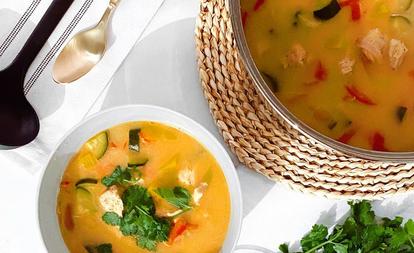
Warm vegetable soups to ease congestion
Warm soups are often easier to tolerate and can help relieve congestion while delivering nutrients. Options include:
- Carrots and bell peppers
- Zucchini
- Pumpkin or butternut squash
- Sweet potatoes
- Spinach or other leafy greens
Blending in spices like turmeric, ginger, black pepper, and cumin can help reduce inflammation and support digestion.
Plant-based protein for recovery and strength
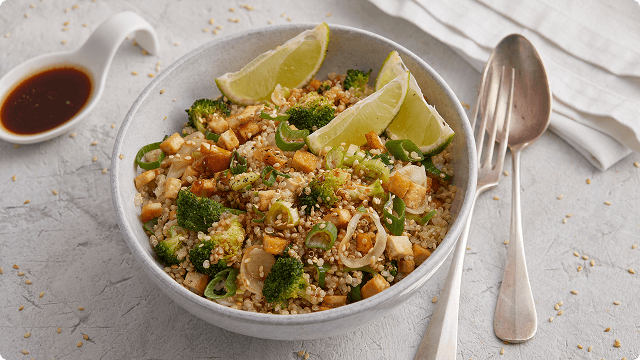
Protein helps maintain strength during illness, and plant-based options can be gentle on digestion:
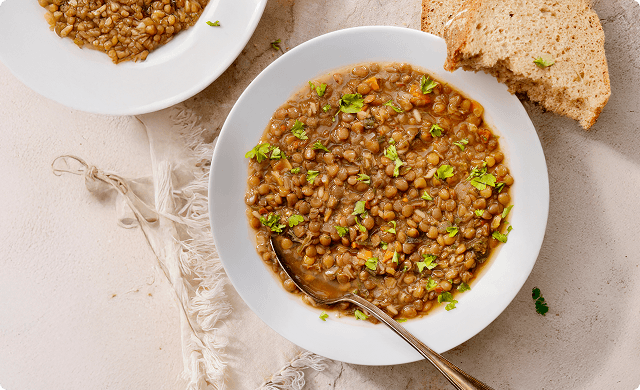
- Split green or yellow lentils cooked with quinoa
- Red lentils cooked with leafy greens
- Soft tofu simmered in miso soup
Digestive spices such as ginger, cumin, and carom seeds can help reduce bloating and support appetite.
Quick-to-prep and easy-to-digest foods
When appetite is low or digestion feels sensitive, keeping foods familiar and uncomplicated can help.
- Elements of the BRAT approach (banana, rice, apple, toast) can make reintroducing solid foods easier. For example, whole wheat toast with peanut butter and sliced apples.
- Brown rice and tofu soup
- Whole wheat crackers paired with a simple carton soup
Soothing warm beverages
Herbal teas can ease congestion and gently support digestion while keeping hydration up. Homemade options include:
- Agni tea
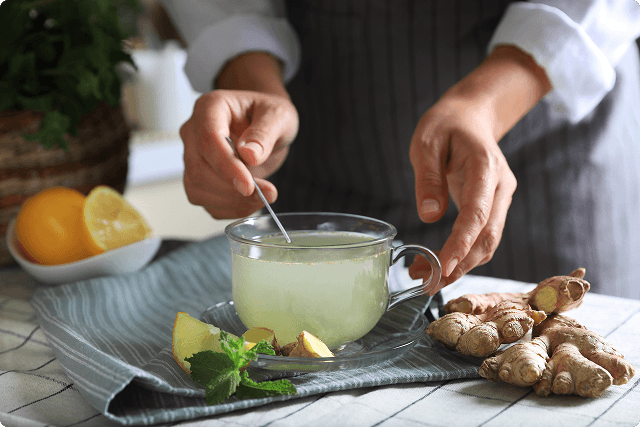
- Lemon ginger echinacea tea
- Cumin, coriander, fennel tea
For store-bought teas, choosing blends with simple, recognizable ingredients, rather than added “natural flavors,” can be helpful.
Foods that may slow recovery when sick
Some foods can increase inflammation or feel harder to tolerate when you’re unwell. While a small amount of coffee may feel comforting, heavily sweetened, or milk-heavy drinks are often less supportive. It may help to limit:
- Cold smoothies
- Large amounts of raw vegetables (cooked forms are often better tolerated until recovery)
- Refined sugar
- Excess coffee
- Deep-fried foods
A road-to-recovery eating routine
Here’s an example of how healthy glucose-friendly meals might look on a day focused on healing:
Breakfast
Warm ginger lemon tea with stewed apples or room-temperature applesauce
Snack
Soft tofu scramble with turmeric and cumin, or miso soup with tofu
Lunch
Rice with split lentils, vegetable soup, or toast with nut butter and banana
Snack
Warm tea with a small handful of nuts and crackers
Dinner
Light lentil soup with leafy greens, or brown rice or quinoa with sautéed vegetables
Rest matters too. Short naps, warm showers, gentle movement, and steady nourishment all work together to support recovery and help maintain steady glucose.
A final note
When you’re feeling unwell, it’s all about support. Warm, nourishing meals, steady energy, and easy digestion give your body the space it needs to do what it already knows how to do: heal. Paying attention to how foods feel, rather than forcing appetite or perfection, can make recovery feel more intuitive and less stressful. With rest, patience, and thoughtful nourishment, strength and balance tend to return in their own time.
The production of this article was sponsored by Stelo by Dexcom.
Author profile
SD
Shetal Desai Rautela, RDN, CDCES
Shetal Desai Rautela, RDN, CDCES, is a registered dietitian, diabetes care, and education specialist with 15+ years of expertise in diabetes, metabolic health, and child nutrition.