Rice and glucose: What’s the connection?

Written by Shetal Desai Rautela, RDN, CDCES
Published: Sep. 29, 2026
2 min read

The content in this article should not be taken as medical advice. Please consult with your healthcare provider regarding your individual health needs.
Rice is one of the world's most widely eaten foods. For billions of people, it's a daily staple and an important part of family traditions. It's also one of the foods many people become curious about when they start noticing how different meals affect their glucose.
So, why does rice sometimes seem to cause a bigger glucose rise than other carbohydrates? And does that mean you have to avoid it?
The short answer: not necessarily. Like many nutrition questions, the answer is more about context than the food itself.
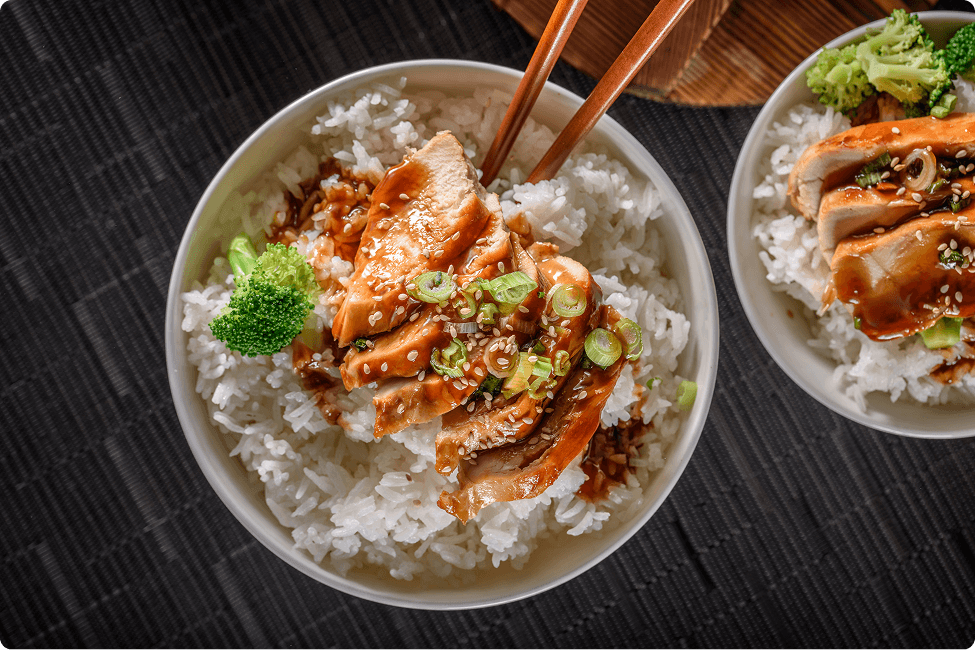
Why white rice can raise glucose more quickly
All carbohydrate-containing foods eventually break down into glucose, but they don't all do it at the same speed.1 White rice is generally digested relatively quickly, allowing glucose to enter the bloodstream faster than many higher-fiber carbohydrate sources. That's one reason it can often produce a larger post-meal glucose spike.
Several factors contribute to this. When rice is milled into white rice, the fiber-rich bran and germ are removed. Without those outer layers, digestion happens more quickly.
White rice is also relatively high in a starch called amylopectin, which is broken down faster than other starches. Combined with its relatively high glycemic index, this helps explain why many people might see a quicker glucose response after eating it.1,2
That doesn't mean every bowl of rice produces the same result. The amount you eat, what you eat with it, and how it's prepared can all influence your individual glucose response.1
What research tells us about rice and glucose
Large population studies have found that regularly eating large amounts of white rice may be associated with a higher risk of developing type 2 diabetes, particularly in regions where rice is a major dietary staple.3
For example, the multinational PURE study by the NIH followed more than 130,000 adults across 21 countries and found that eating more than three cups of cooked white rice per day was associated with a higher risk of developing type 2 diabetes, with the strongest association observed in South Asia.3
Research has also shown that choosing less-refined varieties, such as brown rice, can lead to smaller post-meal glucose responses compared with polished white rice.1
These studies don't mean rice is inherently unhealthy. Instead, they reinforce an important idea: the type of rice, the portion, and the overall meal all matter.
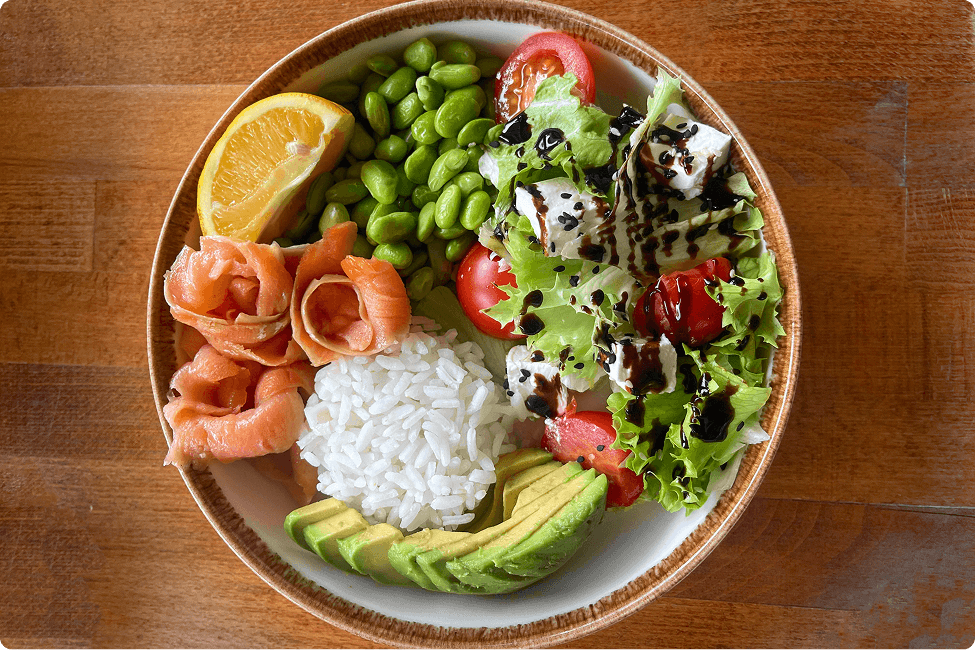 Small changes can make a big difference
If rice is a regular part of your meals, there's no reason it has to disappear from your plate. Instead, consider experimenting with a few simple strategies like these that may help create a steadier glucose response:
1. Choose your rice thoughtfully
Brown, red, and wild rice generally contain more fiber than polished white rice, which can slow digestion. Portion size matters, too. Sometimes reducing the serving slightly while filling the rest of your plate with other foods can make a noticeable difference.
2. Think beyond the rice itself
Use the plate method to pair rice with lean protein, healthy fats, and plenty of non-starchy vegetables, which can help slow digestion and create a more balanced meal. Some people also find it helpful to begin the meal with vegetables or salad before moving on to the rest of the plate.
3. Preparation matters
Small research studies suggest that cooking rice, cooling it, and then reheating it changes some of its starch into resistant starch, which behaves more like fiber and may help reduce post-meal glucose spikes.4 Avoiding overcooking can help, too. Rice that's slightly firmer generally digests more slowly than rice that's cooked until very soft.

Pro tip: Need some inspiration? Try mixing rice with cooked broccoli, green beans, cauliflower, or cabbage to add volume, color, and fiber to your meal. A simple option is to combine cauliflower rice with cooked white or brown rice, or get creative with a vegetable-packed rice pilaf.
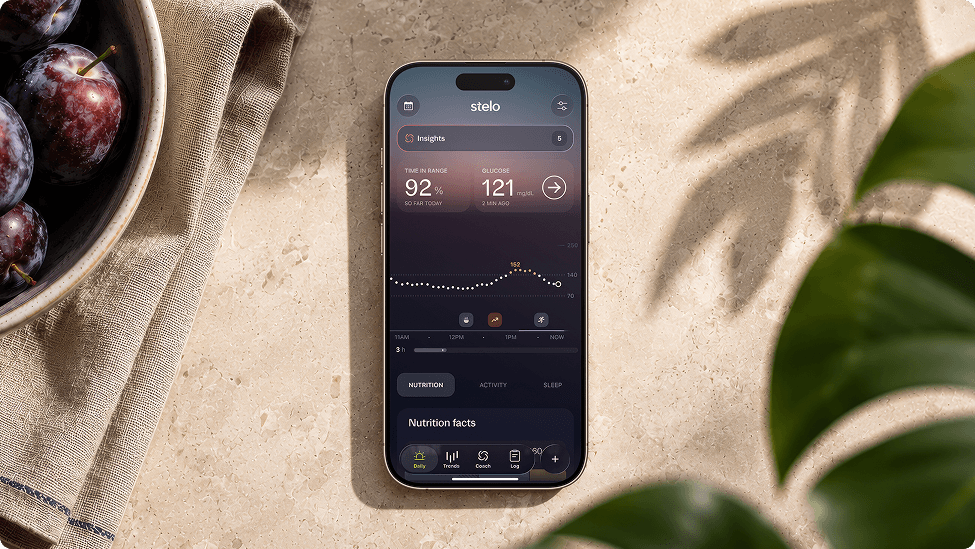
See what works for you with Stelo
One of the most interesting things about wearing a glucose biosensor like Stelo is seeing how the same food can affect your glucose differently depending on the day.
A bowl of rice after a long walk may look different than the same meal after a poor night's sleep. Brown rice may produce a different response than white rice. Adding vegetables, protein, or healthy fats may change the picture again.
Rice has nourished cultures around the world for centuries. Rather than asking whether it's "good" or "bad," a more helpful question is: how does my glucose respond, and what small changes help me feel my best?
It’s just the kind of understanding Stelo is designed to support.
The production of this article was sponsored by Stelo by Dexcom.
References:
- A systematic review of the influence of rice characteristics and processing methods on postprandial glycaemic and insulinaemic responses
- Influence of rice type and boiling time on glycemic index
- White Rice Intake and Incident Diabetes: A Study of 132,373 Participants in 21 Countries
- Effect of cooling of cooked white rice on resistant starch content and glycemic response
Author profile
SC
Shetal Desai Rautela, RDN, CDCES
Shetal Desai Rautela, RDN, CDCES, is a registered dietitian, diabetes care, and education specialist with 15+ years of expertise in diabetes, metabolic health, and child nutrition.